
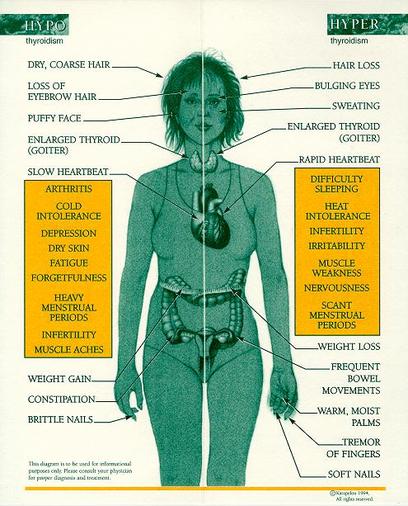
Thyroid disturbances are a common part of our practice - in particular subclinical hypothyroidism, hypothyroidism and Hashimoto's thyroiditis. We wanted to post this blog to explain the thyroid function and review the current medications available for hypothyroidism.
What is a thyroid?
The thyroid is a butterfly-shaped gland that sits below the Adam’s apple on the front of the neck. Its function is to produce hormones known as thyroxine (T4) and triiodothyronine (T3) which act in the body to stimulate the metabolism of fats, proteins, carbohydrates and vitamins; increasing the body’s basal metabolic rate and energy. T3 is the active form of thyroid hormone and is able to create metabolic responses whereas T4 must first be converted in the body to T3 in order to have an effect. The thyroid produces these hormones in response to Thyroid Stimulating Hormone (TSH) released from the pituitary gland. Health concerns arise when the thyroid gland becomes over active which is called hyperthyroidism or under active known as hypothyroidism. There are many reasons that the thyroid will malfunction and it is always recommended to see a health care professional for further assessment.
Symptoms of Hypothyroid
· sensitivity to cold temperatures
· mild weight gain
· fatigue
· constipation
· enlarged neck
· dry skin
· hair loss
· muscle cramps
· heavy and irregular menstruation
· difficulty thinking or concentrating
The most obvious sign of severe hypothyroidism is a goiter. A goiter is a severe swelling of the thyroid gland in the front of the neck.
Symptoms of Hyperthyroid
· sudden and unexplained weight loss
· increased or irregular heartbeat
· nervousness
· irritability
· tremors (especially in the hands)
· increased sweating
· abnormal menstruation
· increased sensitivity to warmth
· more frequent bowel movements
· enlarged thyroid gland (goiter)
· fatigue
· difficulty sleeping
· muscle weakness
Treatments for Hypothyroidism
Synthroid
Synthroid is the most common prescription medicine for hypothyroidism and is a synthetic form of thyroxine (T4) called levothyroxine. It acts to replace the function of the thyroid by increasing the amount of thyroid hormone in the bloodstream. This leads a decrease in TSH from the pituitary gland as it signals that the thyroid gland is working properly again. As this only supplements the body with the inactive form of thyroid hormone (T4), it must first be converted to T3 in order to play a part in the metabolic processes of the body. The dosage of Synthroid varies from person to person depending on remaining thyroid function, symptoms and ability to convert T4 to T3. There are foods, vitamins and minerals that Naturopathic Doctors can use to help support the body in this conversion process. These should all be utilized under the guidance of a trained health care provider. TSH is monitored every 4-6 weeks during the process in order to find to the right balance and dose.
Natural Dessicated Thyroid
Natural dessicated thyroid was commonly used for the treatment of hypothyroidism from the early 1900’s until the discovery of synthetic T4 in the 1960’s. Dessicated thyroid is made of dried porcine (pig) thyroid tissue and it contains both T4 and T3 therefore supplementing the body directly with the active form of thyroid hormone. This will benefit those who are not able to readily convert T4 to T3 and they may see a greater decrease in symptoms as well as TSH. One argument that is commonly used against dessicated thyroid by pharmaceutical companies and conventional medicine is that there is a variation between each batch of medication and it cannot be regulated the same way as the synthetic compound. This may be true, but the variations will be slight and if your health care practitioner is following up and monitoring properly then there should be no adverse effects from the dessicated thyroid.
Naturopathic physicians in BC have the option of getting certified in prescriptive authority allowing them to access either one of these medications. If you think you could benefit from dessicated thyroid contact a local Naturopathic Doctor with prescriptive authority.
In conclusion, both medications are effective at treating hypothyroidism and it should be the patient’s decision which one they prefer or feel better taking. We have also seen great benefit in combining diet and lifestyle treatments and supplements with these medications to improve overall quality of life and reduce symptoms.
What is a thyroid?
The thyroid is a butterfly-shaped gland that sits below the Adam’s apple on the front of the neck. Its function is to produce hormones known as thyroxine (T4) and triiodothyronine (T3) which act in the body to stimulate the metabolism of fats, proteins, carbohydrates and vitamins; increasing the body’s basal metabolic rate and energy. T3 is the active form of thyroid hormone and is able to create metabolic responses whereas T4 must first be converted in the body to T3 in order to have an effect. The thyroid produces these hormones in response to Thyroid Stimulating Hormone (TSH) released from the pituitary gland. Health concerns arise when the thyroid gland becomes over active which is called hyperthyroidism or under active known as hypothyroidism. There are many reasons that the thyroid will malfunction and it is always recommended to see a health care professional for further assessment.
Symptoms of Hypothyroid
· sensitivity to cold temperatures
· mild weight gain
· fatigue
· constipation
· enlarged neck
· dry skin
· hair loss
· muscle cramps
· heavy and irregular menstruation
· difficulty thinking or concentrating
The most obvious sign of severe hypothyroidism is a goiter. A goiter is a severe swelling of the thyroid gland in the front of the neck.
Symptoms of Hyperthyroid
· sudden and unexplained weight loss
· increased or irregular heartbeat
· nervousness
· irritability
· tremors (especially in the hands)
· increased sweating
· abnormal menstruation
· increased sensitivity to warmth
· more frequent bowel movements
· enlarged thyroid gland (goiter)
· fatigue
· difficulty sleeping
· muscle weakness
Treatments for Hypothyroidism
Synthroid
Synthroid is the most common prescription medicine for hypothyroidism and is a synthetic form of thyroxine (T4) called levothyroxine. It acts to replace the function of the thyroid by increasing the amount of thyroid hormone in the bloodstream. This leads a decrease in TSH from the pituitary gland as it signals that the thyroid gland is working properly again. As this only supplements the body with the inactive form of thyroid hormone (T4), it must first be converted to T3 in order to play a part in the metabolic processes of the body. The dosage of Synthroid varies from person to person depending on remaining thyroid function, symptoms and ability to convert T4 to T3. There are foods, vitamins and minerals that Naturopathic Doctors can use to help support the body in this conversion process. These should all be utilized under the guidance of a trained health care provider. TSH is monitored every 4-6 weeks during the process in order to find to the right balance and dose.
Natural Dessicated Thyroid
Natural dessicated thyroid was commonly used for the treatment of hypothyroidism from the early 1900’s until the discovery of synthetic T4 in the 1960’s. Dessicated thyroid is made of dried porcine (pig) thyroid tissue and it contains both T4 and T3 therefore supplementing the body directly with the active form of thyroid hormone. This will benefit those who are not able to readily convert T4 to T3 and they may see a greater decrease in symptoms as well as TSH. One argument that is commonly used against dessicated thyroid by pharmaceutical companies and conventional medicine is that there is a variation between each batch of medication and it cannot be regulated the same way as the synthetic compound. This may be true, but the variations will be slight and if your health care practitioner is following up and monitoring properly then there should be no adverse effects from the dessicated thyroid.
Naturopathic physicians in BC have the option of getting certified in prescriptive authority allowing them to access either one of these medications. If you think you could benefit from dessicated thyroid contact a local Naturopathic Doctor with prescriptive authority.
In conclusion, both medications are effective at treating hypothyroidism and it should be the patient’s decision which one they prefer or feel better taking. We have also seen great benefit in combining diet and lifestyle treatments and supplements with these medications to improve overall quality of life and reduce symptoms.

 RSS Feed